
Microbial Diseases, Royal Free Campus,University College London, London, NW3 2PF


Dedicated to improving oral and gastrointestinal health

Smith Laboratory
The Smith lab is embedded in the Royal Free Hospital Site and part of the Eastman Dental Institute UCL.
The facilities consists of clinical research facilities, three well furbished wet labs dedicated to microbiology, molecular biology and protein chemistry. In addition, we run three class-2 tissue culture rooms for co-culture (bacterial and viral work), cell lines and primary human tissue.
Two clinical research facilities
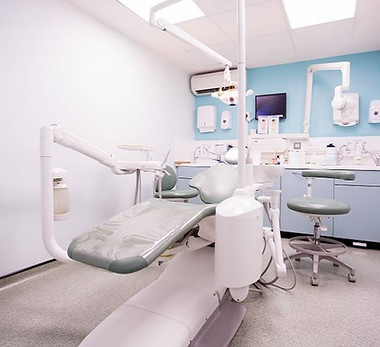
Clinical research facility 1.
A Clinical Research Facility is located in the Eastman Dental Institute, fully dedicated to clinical and translational research in the field of oral and dental diseases. For more information click here.
Clinical research facility 2.
The Clinical Research Facility at the Royal Free Hospital is equipped to manage early phase clinical trials, and observational/interventional studies. It is fully integrated within the Royal Free Hospital and has dedicated support staff and nurses. For more information click here.
Protein and molecular biology labs

The department has an established protein and molecular biology lab with protein and DNA/RNA purification capabilities. PCR and qPCR machines, gel imagers and ultracentrifuges.
Tissue culture facilities

Microbial Diseases department have three tissue culture facilities for primary human cell work and co-culture experimentation. The facilities have
- Class-2 hoods
- CO2 incubators
- Hypoxic incubators
- CLARIOstar multi-mode microplate reader with atmospheric control unit, temperature incubation, multiple shaking, well scan and reagent injectors.
-FLUOstar multi-mode microplate reader with temperature incubation, multiple shaking, well scan and reagent injectors, with absorbance, fluorescence and luminescence.
- OT-2 automated benchtop liquid handler
- Inverted Zeiss Axio Vert.A1 LED fluorescence microscope with video imaging
Microbiology laboratories

The department have class I and class II biological safety cabinets, anaerobic chambers and biofilm work (apparatus for fermentation and for numerous biofilm models).


uCT image of a murine jaw
